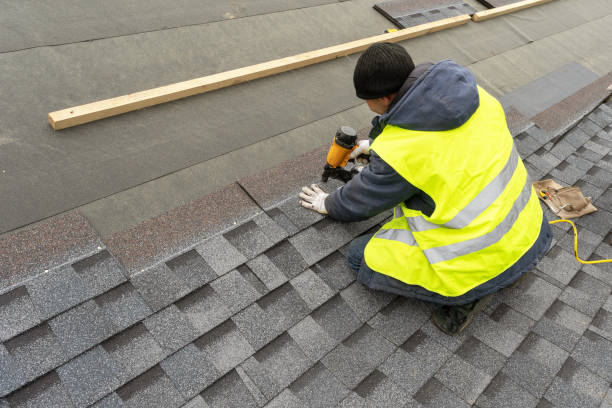
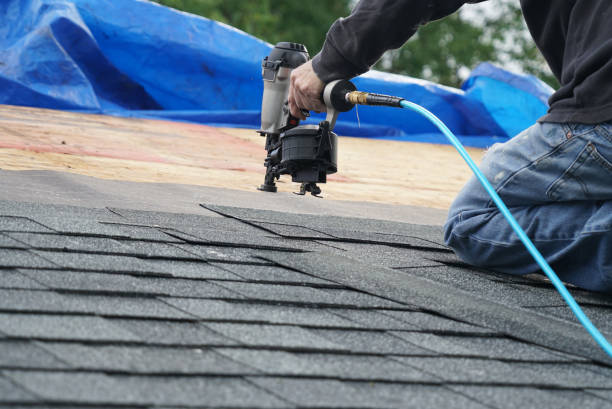
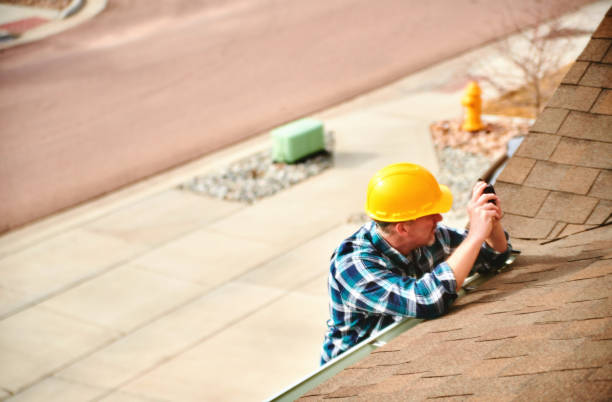
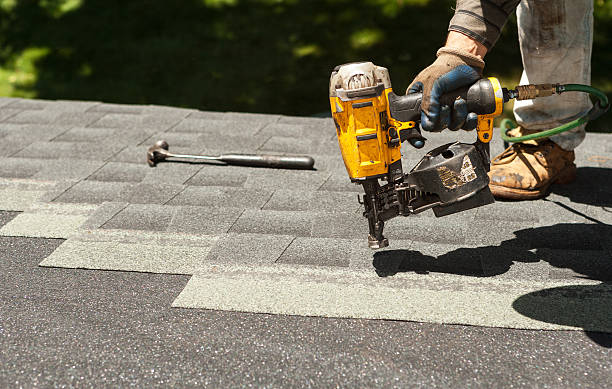
A Comprehensive Guide to Choosing the Right Minneapolis MN Roofing Contractor for Homeowners
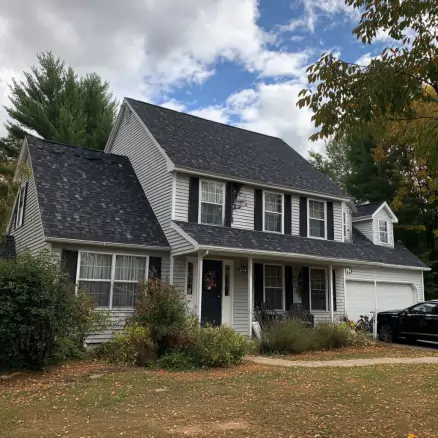
Selecting the right roofing contractor is a critical decision for any homeowner. A well-installed roof not only protects your home but also enhances its value and curb appeal. With so many contractors available, it can be overwhelming to identify the best professional for your needs. This guide outlines key factors and actionable steps to ensure you make an informed choice.
Assess Your Roofing Needs
Before starting your search, evaluate your specific roofing requirements. Consider:
– The type of roofing material: Asphalt shingles, metal roofing, tile, etc.
– The scope of work: Do you need a complete replacement, repairs, or just maintenance?
– Your budget: Understand what you’re willing to spend without compromising quality.
Being clear on these aspects will help you narrow down options and communicate effectively with contractors.
Research Local Roofing Contractors
To find reputable professionals in your area:
1. Begin by asking friends, family, or neighbors for recommendations based on their experiences.
2. Search online directories such as Google My Business or platforms like Angi and Yelp for reviews and ratings.
3. Check social media pages—many contractors showcase their work and interact with customers there.
Verify Licensing and Insurance
A trustworthy contractor should have proper licensing and insurance in place (this topic is further elaborated under other headers). Ensure they comply with state requirements before proceeding.
Compare Bids Wisely
Obtain written estimates from at least three contractors to compare pricing details fairly. Pay attention not just to cost but also to what’s included in the proposal: | Item | Description | |—————————-|——————————————————————–| | Labor Costs | Are labor charges detailed clearly? | | Materials | Specify brands or types of materials being used in the project. | | Timeline | Estimated start date, end date, and milestones for completion. | | Payment Terms | Confirm the schedule—down payments versus final payment balance. |
Beware of bids that are significantly lower than others; this could indicate subpar materials or insufficient experience.
Look for Credentials and Certifications
Roofing contractors often hold certifications from manufacturers or industry associations like GAF Master Elite® or CertainTeed SELECT ShingleMaster™. These credentials demonstrate expertise in handling specific products and adherence to professional standards.
Ask Key Questions During Interviews
- How long have you been in business?
- Can you provide references from past projects?
- Are your workers insured under workers’ compensation policies?
- What steps do you take for site cleanup during/after a project?
- How do you handle unexpected issues during installation or repair?
The answers will provide insight into their reliability and commitment to quality.
Review Past Work and References
Reputable contractors should willingly share examples of completed projects similar to yours or offer references from previous clients who can vouch for their work quality. Visiting physical sites where they’ve worked can help assess their craftsmanship firsthand.
Check Written Contracts Thoroughly
Before signing an agreement with any roofer: 1. Ensure all terms are clearly defined—pricing breakdowns, warranties offered (labor/materials), project duration. 2. Avoid verbal agreements; everything must be documented legally. 3. Review cancellation policies so that both parties are aware of contingencies if plans change.
Taking these precautions ensures transparency throughout every stage while minimizing risks associated with miscommunication later on.
By following these steps thoroughly when choosing a contractor–homeowners contribute toward ensuring smooth execution alongside great results safeguarding homes` durability long run .
Essential Tips to Verify Licensing and Insurance When Hiring a Minneapolis Roofer
Selecting a reliable roofing contractor is a crucial step in ensuring your roofing project is completed safely, efficiently, and in compliance with local regulations. One of the most important aspects of this process is verifying the contractor’s licensing and insurance. Below are key steps to help homeowners navigate this critical part of hiring a roofer.
Ensure Your Minneapolis MN Roofing Contractor Has a Valid License
- Request License Details: Ask the contractor to provide their license number or certificate.
- Check State Licensing Boards: Visit your state or local licensing authority’s website to confirm that the license is active and in good standing.
- Look for Special Certifications: Some roofers may hold additional certifications for working with specific materials (e.g., shingles or metal roofs). These can ensure specialized expertise.
| Requirement | Description |
| General Roofing License | Required in most states; covers basic roofing work. |
| Specialty Certifications | For skills like using specific materials or systems. |
| Local Permits | Additional permits may be required by municipalities. |
Verify Insurance Coverage for Minneapolis MN Roof Replacement
- Ask for Proof of Insurance: Request copies of their general liability insurance and worker’s compensation policy.
- Contact the Insurer: Confirm with the insurer that policies are active, valid, and sufficient for your project size.
- Understand Coverage Scope: Ensure their policies cover both workplace injuries and accidental damages to your property.
Types of Insurance Roofers Should Have
- General Liability Insurance: Covers damages caused to your property during installation or repairs.
- Worker’s Compensation Insurance: Protects workers on-site in case of injury.
3 Red Flags to Avoid When Choosing Minneapolis MN Roof Repair Services
- The contractor refuses to provide proof of licensing or insurance.
- Their license status appears expired or revoked upon verification.
- They pressure you into skipping formal documentation or agreements.
- Their provided certificate looks inconsistent (e.g., typos, mismatched details).
Documentation Tips for Minneapolis MN Roof Installation
- Collect written copies of licenses and certificates for reference.
- Include proof of verification in your contract agreement with the roofer.
- Keep records organized in case disputes arise later.
By thoroughly verifying these credentials before work begins, you’ll minimize risks associated with hiring unqualified contractors while safeguarding your investment in quality roofing services.
Why Experience and Track Record Matter When Selecting a Roofing Contractor
When choosing a roofing contractor, understanding their experience and track record is essential for ensuring quality work and long-term value. Roof repairs or installations are significant investments, and hiring a seasoned contractor can help avoid costly mistakes. Below, we’ll explore why experience matters, what to look for in a roofer’s track record, and how homeowners can assess these factors effectively.
The Value of Experience in Roofing
- Technical Skills: Experienced roofers are adept at working with different types of roofing materials such as asphalt shingles, metal roofing, tile roofs, or flat roofs.
- Problem-Solving: They have the ability to troubleshoot complex roofing issues like leaks, poor drainage systems, or damaged underlayment more effectively than less experienced contractors.
- Efficient Workmanship: Years in the industry often translate into streamlined processes that save time without compromising quality.
Evaluating a Roofer’s Track Record
- Look for examples of past work that align with your project requirements (e.g., residential vs commercial).
- Evaluate before-and-after images to gauge the level of craftsmanship and attention to detail.
- Check online review platforms like Google Reviews or Yelp for genuine customer feedback.
- Pay attention to recurring themes in reviews such as punctuality, professionalism, and adherence to budget estimates.
- Ask whether the contractor has completed projects on schedule consistently.
- Delays in past projects might indicate potential inefficiencies or lack of proper planning.
- Contractors who have been in business for several years typically demonstrate stability and a proven ability to adapt to changes in building codes or industry trends.
Questions to Ask About Experience
- How many years have you been working specifically as a roofing contractor?
- Have you worked on similar projects (type/scale) before? Can you share references from previous clients?
- What is your process for handling unexpected complications during installations or repairs?
Data Table Example: Comparing Two Contractors’ Experience Levels
| Criteria | Contractor A | Contractor B |
| Years in Business | 15 | 5 |
| Number of Completed Projects | 200+ | 50+ |
| Specialization | Asphalt & Metal Roofs | Only Asphalt Roofs |
| Online Reviews Rating | 4.8/5 | 4/5 |
This table highlights how comparing contractors side by side based on relevant criteria can simplify decision-making.
Red Flags Indicating Lack of Experience
- Unwillingness or inability to provide references from past clients.
- Overpromising results without providing realistic timelines or budgets.
- Limited knowledge about local building codes/regulations impacting roofing projects.
- No portfolio showcasing previously completed work.
Taking these considerations into account ensures that you select a roofing professional whose expertise aligns with your specific needs—helping safeguard both your investment and peace of mind over the long term. We recommend https://www.minneapolisroofingexperts.com in Minneapolis, MN.
Understanding Warranties and Guarantees Offered by Professional Roofers
When hiring a roofing contractor, understanding the warranties and guarantees they offer is a critical part of the decision-making process. These assurances not only protect your financial investment but also provide peace of mind that the job will be completed to a high standard. Here’s what homeowners need to know about roofing warranties and guarantees.
Types of Roofing Warranties
- Covers defects in the roofing materials themselves.
- Duration can range from 10 years to a lifetime, depending on the product and manufacturer.
- Usually includes coverage for issues like premature shingle deterioration or problems with underlayment materials.
- Provided by the roofing contractor to guarantee their installation work.
- Coverage periods often range from 1 year up to 10 years or more, depending on the contractor’s policies.
- Protects against errors made during installation, such as improper sealing or flashing issues.
Key Questions to Ask About Warranties
- What is included in the manufacturer’s warranty?
- Does the workmanship warranty cover all types of potential installation errors?
- Are there any exclusions or limitations in either warranty?
- Is the warranty transferable if you sell your home?
- What steps must be taken, such as regular maintenance, to keep warranties valid?
Comparing Roofing Warranties
| Aspect | Manufacturer’s Warranty | Workmanship Warranty |
| Coverage Focus | Roofing materials (e.g., shingles) | Installation quality |
| Typical Duration | 10 years to lifetime | 1-10+ years |
| Provided By | Material manufacturer | Roofing contractor |
| Transferability | Often transferable with conditions | Varies by contractor |
| Common Exclusions | Improper installation or maintenance | Damage caused by weather events |
Why Warranties Matter in Your Decision
Roofing systems are significant investments, so having a clear understanding of warranties helps protect against unexpected expenses down the road. A solid manufacturer’s warranty ensures you’re getting high-quality materials that stand up over time. Meanwhile, a robust workmanship guarantee reflects the professionalism and confidence of your chosen contractor.
Additionally, comprehensive warranties signal that both manufacturers and contractors take accountability for their work. This level of assurance is particularly important for homeowners seeking long-term value.
Tips for Evaluating Roofing Contractor Guarantees
- Look for contractors who partner with reputable manufacturers offering proven warranty programs.
- Verify whether extended warranties are available for purchase if standard coverage feels insufficient.
- Ensure any promises made verbally about guarantees are documented in writing within your contract.
Understanding every detail about offered warranties and guarantees allows you to make informed choices when selecting a roofing professional who prioritizes quality craftsmanship and reliability.
The Importance of Certifications and Affiliations in the Roofing Industry
When hiring a roofing contractor for your home or business, certifications and affiliations play a vital role in identifying reputable and skilled professionals. These credentials demonstrate that a contractor has met industry standards, is committed to ongoing education, and delivers quality craftsmanship. Understanding these qualifications can help homeowners make more informed decisions.
Why Certifications Matter in Roofing
- Manufacturer Training: Many roofing material manufacturers offer specialized training programs for contractors. For example:
- A roofer certified by GAF may have received advanced training on installing GAF products, ensuring proper techniques are used.
- Owens Corning Preferred Contractors are vetted for their knowledge of the brand’s materials.
- Adherence to Standards: Certified roofers follow industry best practices, which reduces the likelihood of improper installation or future issues.
- Access to Better Warranties: Some certifications allow roofers to offer extended manufacturer warranties that uncertified contractors cannot provide.
Key Certifications to Look For
When evaluating roofing contractors, keep an eye out for these common certifications:
– GAF Master Elite® Certification: Requires rigorous training, licensing verification, and ongoing performance monitoring. Only a small percentage of roofers nationwide achieve this status.
– CertainTeed SELECT ShingleMaster™: Recognized for extensive knowledge of CertainTeed products and installation processes.
– NRCA Membership (National Roofing Contractors Association): Demonstrates commitment to professionalism and staying current with industry standards.
| Certification Name | Key Benefits | Issued By |
| GAF Master Elite® | Advanced training; access to premium warranties | GAF |
| CertainTeed SELECT ShingleMaster™ | Specialized product expertise | CertainTeed |
| Owens Corning Preferred Contractor | Product-specific training | Owens Corning |
| NRCA Membership | Industry best practices; up-to-date knowledge | NRCA |
The Role of Professional Affiliations
Professional affiliations reflect a contractor’s commitment to ethical practices and continued learning within the roofing industry.
Common Roofer Affiliations
- Accreditation signals trustworthiness.
- Allows homeowners to review complaints or ratings.
- Membership often requires adherence to strict ethical guidelines.
- Examples include state-level roofing associations or home improvement guilds.
- Members stay informed on advancements in technology and safety regulations.
How Certifications & Affiliations Benefit Homeowners
- Improved Workmanship: Contractors with certifications undergo rigorous training that enhances their technical skills.
- Accountability: Affiliated roofers often adhere to codes of conduct outlined by their associations.
- Peace of Mind: Homeowners can feel confident knowing their investment is protected by warranties backed by reputable manufacturers.
Evaluating certifications and affiliations is not just about selecting someone with the right paperwork—it reflects the level of expertise you can expect from your contractor while safeguarding your property against subpar work.
How to Evaluate Communication and Professionalism in Your Roofer Selection Process
When selecting a roofing contractor, communication and professionalism are fundamental factors that can significantly impact the outcome of your project. A roofer’s ability to communicate effectively and demonstrate professionalism reflects their dedication to quality service and customer satisfaction. Here are some practical ways to evaluate these aspects during your selection process.
Assess Responsiveness
A professional roofing contractor should be prompt in responding to your inquiries. A delay in initial communication may indicate potential challenges during the project itself. Pay attention to:
– Response Time: Do they reply promptly to emails or return calls within a reasonable timeframe?
– Clarity of Responses: Are their answers clear, concise, and tailored to your questions?
– Willingness to Engage: Do they seem eager to address your concerns or provide additional information without hesitation?
Observe Their Attitude During Initial Meetings
The way a roofer interacts with you during consultations can provide valuable insight into their professionalism. Look for:
– Punctuality: Arriving on time for appointments is an early indicator of reliability.
– Preparedness: Do they come equipped with necessary tools, documents, or examples of their work?
– Respectfulness: Are they polite and respectful when discussing your needs and expectations?
Review Written Estimates and Documentation
| Element | What to Look For | Example |
| Clarity | Are all costs clearly itemized? | Details like labor, materials, permits. |
| Accuracy | Does it reflect what was discussed during meetings? | Matches verbal agreements accurately. |
| Terms | Are warranty details and timelines outlined? | Start/end dates, material guarantees. |
A well-documented estimate demonstrates transparency and commitment.
Gauge Their Customer Service Skills Through References
Speaking directly with past clients offers real-world insight into how well the roofer communicates and handles relationships throughout a project. Questions you may ask include: – Was the roofer open to answering questions throughout the process? – Did they keep you informed about project updates or potential delays? – Were there any miscommunications, and how were they resolved?
Look for Clear Project Timelines
Effective communication includes providing realistic timelines for project completion. Ensure that the roofer clearly outlines: 1. Start and finish dates. 2. Milestones or phases of work. 3. Contingency plans for potential delays caused by weather or other factors.
A roofer who provides this level of detail shows that they prioritize both transparency and proper planning.
Professional Appearance Matters
While it may not directly affect their craftsmanship, a contractor’s physical appearance can reflect their overall attention to detail: – Do they wear uniforms or branded attire? – Is company branding present on vehicles or tools? – Does their overall demeanor suggest pride in their business?
These small cues often signal a higher level of organization within their company.
Evaluating communication skills and professionalism requires observing both tangible actions (such as documentation) and intangible qualities (like attitude). Taking these steps ensures that you select not just a skilled roofer but one who values integrity at every stage of service delivery.
- A Comprehensive Guide to Choosing the Right Minneapolis MN Roofing Contractor for Homeowners
- Tips from a Minneapolis Roofer for a Seamless Roof Replacement
- 8 Hidden Benefits of a Minneapolis MN Roof Replacement for Your Home
- When to Call a Minneapolis Roofer to Replace Your Roof
- A Comprehensive Guide to Choosing the Right Minneapolis MN Roofing Contractor for Your Roof Installation
- The 4-Step Process of Replacing Your Roof With a Minneapolis MN Roofing Contractor